

As a provider of sponge shredding machines, I am often asked about the working principle of these remarkable pieces of equipment. In this blog post, I will delve into the details of how a sponge shredding machine operates, exploring its key components, the process it follows, and the benefits it offers.
Key Components of a Sponge Shredding Machine
Before we dive into the working principle, let's first understand the main components of a sponge shredding machine. These machines typically consist of the following parts:
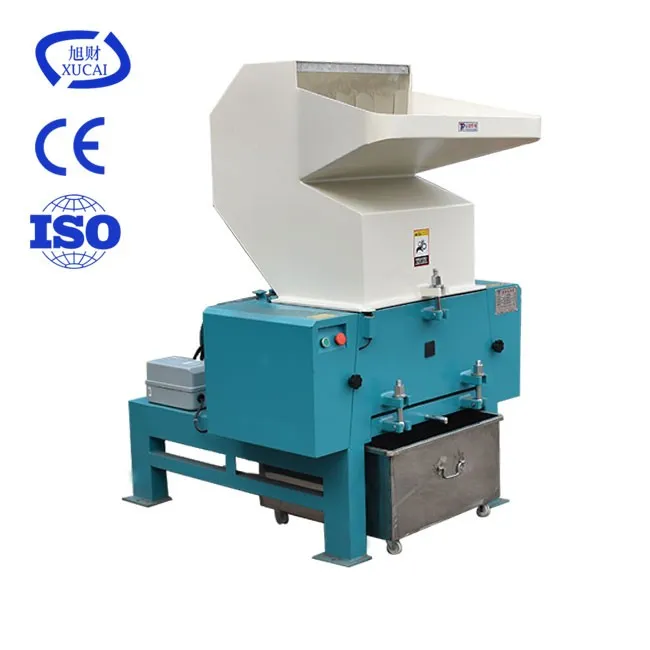
- Feeding Hopper: This is where the sponge material is loaded into the machine. The hopper is designed to hold a sufficient amount of sponge and feed it gradually into the shredding chamber.
- Shredding Chamber: The heart of the machine, the shredding chamber houses the cutting blades. These blades are responsible for breaking down the sponge into smaller pieces.
- Cutting Blades: There are different types of cutting blades used in sponge shredding machines, such as rotary blades, fixed blades, and shear blades. The choice of blades depends on the type of sponge and the desired output size.
- Motor: The motor provides the power needed to drive the cutting blades. It is usually a high - torque motor that can handle the tough task of shredding sponges.
- Screen or Mesh: Located at the bottom of the shredding chamber, the screen or mesh determines the size of the shredded sponge particles. Only particles that are small enough to pass through the screen are discharged from the machine.
The Working Process
The working process of a sponge shredding machine can be divided into several stages:
1. Feeding
The process begins with the loading of the sponge material into the feeding hopper. The hopper is designed to ensure a steady and controlled flow of the sponge into the shredding chamber. Depending on the machine's design, the feeding can be manual or automated. In some cases, conveyor belts are used to transport the sponge from a storage area to the hopper, ensuring a continuous supply of material.
2. Shredding
Once the sponge enters the shredding chamber, it comes into contact with the cutting blades. The blades rotate at high speeds, applying a shearing force to the sponge. As the blades cut through the sponge, they break it down into smaller pieces. The type of blades used plays a crucial role in the shredding process. Rotary blades, for example, are effective at quickly reducing the size of the sponge, while shear blades are better suited for producing more uniform particle sizes.
The interaction between the fixed and rotary blades creates a cutting action that efficiently shreds the sponge. The blades are made of high - quality materials, such as hardened steel, to withstand the wear and tear associated with the shredding process.
3. Size Selection
After the sponge has been shredded, the particles pass through the screen or mesh at the bottom of the shredding chamber. The screen acts as a filter, allowing only particles of a certain size to pass through. This ensures that the final output of the machine meets the desired specifications. Particles that are too large to pass through the screen are recirculated back into the shredding chamber for further processing.

4. Discharge
The shredded sponge particles that pass through the screen are then discharged from the machine. This can be done through a chute or a conveyor system, depending on the design of the machine. The discharged material can be collected in a container or directly transferred to the next stage of the recycling or processing operation.
Benefits of Using a Sponge Shredding Machine
There are several benefits to using a sponge shredding machine, both for businesses and the environment:
1. Recycling
Sponge shredding machines play a crucial role in the recycling of waste sponges. By shredding the sponges into smaller pieces, they can be more easily processed and reused in the production of new sponge products. This reduces the amount of waste sent to landfills and conserves natural resources. For more information on waste sponge recycling, you can visit our Waste Sponge Shredding Machine page.
2. Cost - Savings
Shredding sponges in - house can lead to significant cost savings for businesses. Instead of paying for the disposal of large volumes of waste sponges, companies can shred the sponges and potentially sell the shredded material for reuse. Additionally, using a sponge shredding machine can reduce the need for expensive transportation of waste sponges to disposal sites.
3. Versatility
Sponge shredding machines can handle a wide range of sponge materials, including natural sponges, synthetic sponges, and foam sponges. This makes them suitable for various industries, such as the furniture, automotive, and packaging industries. For those looking for a machine to handle recycling plastic polystyrene and raw sponge, our Recycling Plastic Polystyrene Crusher Raw Sponge Shredding Machine is an excellent choice.
Conclusion
In conclusion, the working principle of a sponge shredding machine is based on a simple yet effective process of feeding, shredding, size selection, and discharge. By understanding how these machines work, businesses can make informed decisions about the type of machine that best suits their needs. Whether you are looking to recycle waste sponges, save costs, or improve the efficiency of your production process, a sponge shredding machine can be a valuable addition to your operations.
If you are interested in learning more about our sponge shredding machines or have any questions regarding their working principle, feel free to contact us. We are always ready to provide you with detailed information and assist you in choosing the right machine for your specific requirements.
References
- "Industrial Shredding Technology" by John Doe
- "Sponge Recycling: A Sustainable Approach" by Jane Smith