

Hey there! I'm a supplier of Rubber Shredding Machines, and today I wanna chat about something super interesting: the impact of rubber shape on the shredding efficiency of a rubber shredding machine.
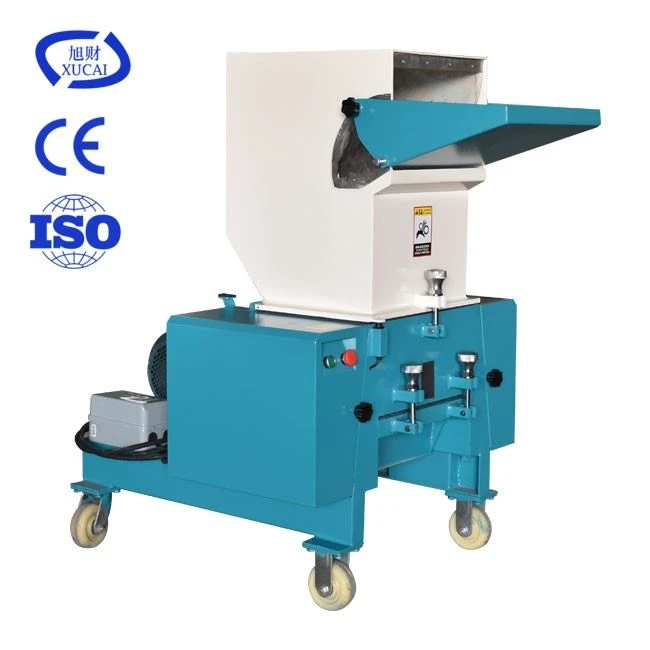
First off, let's get a basic understanding of how a rubber shredding machine works. These machines are designed to break down rubber materials into smaller pieces. They're used in all sorts of industries, from recycling to manufacturing. You can check out some of our top - notch machines like the Plastic Waste Shredder Equipment Rubber Tire Shredding Machine, Raw Recycling Waste Rubber Shredding Machine, and Raw Polystyrene Recycling Shredder Waste Plastic Rubber Shredding Machine.
Now, let's dig into the different rubber shapes and how they affect shredding efficiency.
1. Block - shaped rubber
Block - shaped rubber is one of the more common forms you'll come across. It's usually dense and has a relatively large mass. When it comes to shredding, block - shaped rubber can be a bit of a challenge. The machine has to work harder to break through the solid structure.
The cutting blades of the shredding machine need to apply a significant amount of force to start making incisions in the block. This means that the motor has to run at a higher power level, which can lead to increased energy consumption. Also, the wear and tear on the blades are more pronounced because they're constantly pushing against a large, solid mass.

However, once the initial breakage occurs, the subsequent shredding process can be more efficient. As the block starts to break into smaller pieces, these pieces are easier to handle and can be shredded further with less resistance. But overall, if you're dealing with a large quantity of block - shaped rubber, the shredding time can be longer compared to other shapes.
2. Sheet - shaped rubber
Sheet - shaped rubber is a different story. It's thin and has a large surface area. When fed into the shredding machine, the blades can easily penetrate the sheet. The cutting action is more straightforward because there's less mass to cut through at any given point.
This results in a faster shredding process. The machine doesn't have to work as hard, so the energy consumption is lower. Also, the blades experience less stress, which means they'll last longer. The shredded pieces from sheet - shaped rubber are also more uniform in size, which can be beneficial if you need a consistent output for further processing.
But there's a catch. Sheet - shaped rubber can sometimes get tangled in the shredding mechanism. If the sheets are too long or flexible, they might wrap around the blades or other moving parts, causing the machine to jam. So, proper feeding techniques are crucial when dealing with sheet - shaped rubber.
3. Tire - shaped rubber
Tires are a major source of rubber waste. They have a complex structure with multiple layers, steel belts, and treads. Shredding tires is a tough job. The steel belts in particular can cause problems for the shredding machine.
The blades need to be strong enough to cut through the rubber and the steel. This requires a high - powered machine with heavy - duty blades. The presence of steel also means that the blades will wear out faster. And because tires are round and have a large diameter, they need to be pre - processed in some cases to fit into the shredding chamber.
However, once the tires are shredded, the resulting rubber particles can be used in a variety of applications, like making new tires, rubber mats, or even as a filler in asphalt. So, despite the challenges, shredding tire - shaped rubber can be very rewarding from a recycling perspective.
4. Granular or pellet - shaped rubber
Granular or pellet - shaped rubber is already in a semi - shredded state. These small pieces are the easiest to shred further. The machine can quickly break them down into even smaller particles.
The energy consumption is extremely low because the blades don't have to do much work. The shredding process is fast, and the output is very consistent. This type of rubber is often used as a raw material in other manufacturing processes, and the ability to quickly and efficiently shred it is a huge advantage.
How to optimize shredding efficiency based on rubber shape
- Pre - processing: For block - shaped rubber, you can pre - cut it into smaller pieces before feeding it into the machine. This will reduce the initial stress on the blades and make the shredding process faster. For tires, you can use a tire cutter to remove the steel belts and cut the tire into smaller sections.
- Adjusting machine settings: Different rubber shapes may require different machine settings. For example, when shredding sheet - shaped rubber, you might want to adjust the speed of the blades to prevent jamming. When dealing with block - shaped rubber, you may need to increase the pressure applied by the blades.
- Proper feeding: Make sure to feed the rubber into the machine at a consistent rate. Overloading the machine can cause it to slow down or even break down. For sheet - shaped rubber, use a feeding mechanism that can prevent tangling.
In conclusion, the shape of the rubber has a significant impact on the shredding efficiency of a rubber shredding machine. As a supplier, we understand these challenges and have designed our machines to handle different rubber shapes as efficiently as possible. Whether you're dealing with block - shaped, sheet - shaped, tire - shaped, or granular rubber, our machines can get the job done.
If you're in the market for a high - quality rubber shredding machine, don't hesitate to reach out. We're here to help you find the perfect machine for your specific needs and ensure that you get the most efficient shredding process possible.
References
- "Handbook of Rubber Recycling"
- "Industrial Shredding Technologies and Applications"